Introduction:
Why Young Adults Should Start Eye Screenings Early is becoming increasingly important as young adults spend more time on digital screens. Early eye screening helps detect silent vision problems, prevent long-term damage, and protect overall eye health. Starting regular check-ups at a young age ensures stronger vision, reduced eye strain, and better long-term protection.
Why Early Eye Screening Matters.
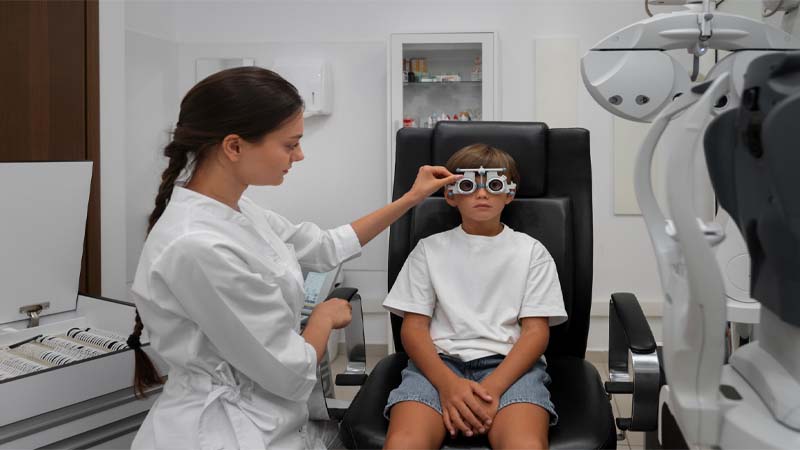
Most eye diseases progress quietly in the early stages. Young adults often assume their vision is fine because they experience no pain or discomfort. However, glaucoma, corneal disorders, and diabetic eye changes can worsen without any warning signs. Today’s lifestyle heavy screen time, lack of sleep, and stress makes these risks even higher.
Eye exams help detect retinal issues, corneal thinning, rising eye pressure, and early refractive errors. Those experiencing headaches, red eyes, or blurry vision should be more careful. People with a family history of eye problems must undergo screening regularly. Early detection helps reduce medical costs and prevents permanent vision loss.
- Glaucoma
- Early myopia progression
- Corneal thinning
- Diabetic retinopathy signs
- Eye pressure issues
Silent Vision Problems in Young Adults
Many eye conditions develop slowly and cause no early symptoms. Silent vision issues are dangerous because they damage the retina or optic nerve over time. Without regular eye screening, these conditions go unnoticed until the damage becomes serious.
Early tests help identify subtle signs of disease before they affect vision permanently. Since lost vision cannot be restored, screening plays a major role in prevention.
- Slow and painless progression
- Hard to detect without testing
- Early diagnosis prevents long-term vision loss
Digital Devices and Eye Strain.

Smartphones, laptops, tablets, and gaming screens force the eye muscles to focus continuously. This leads to digital eye strain—one of the most common eye complaints among young adults. Blue light exposure increases fatigue, disrupts sleep, and makes eyes feel dry or irritated. Reduced blinking also contributes to chronic dryness.
Because of long hours of screen usage, many experience neck pain, headaches, difficulty concentrating, and occasional blurry vision. Regular breaks, correct posture, and an eye examination can help reduce these symptoms.
- Headaches
- Blurry vision
- Dry eyes
- Neck & shoulder pain
Signs You Need an Eye Screening Now.
- Squinting while reading
- Trouble seeing at night
- Burning or irritation
- Frequent blinking
Common Eye Conditions Starting in Early Adulthood.
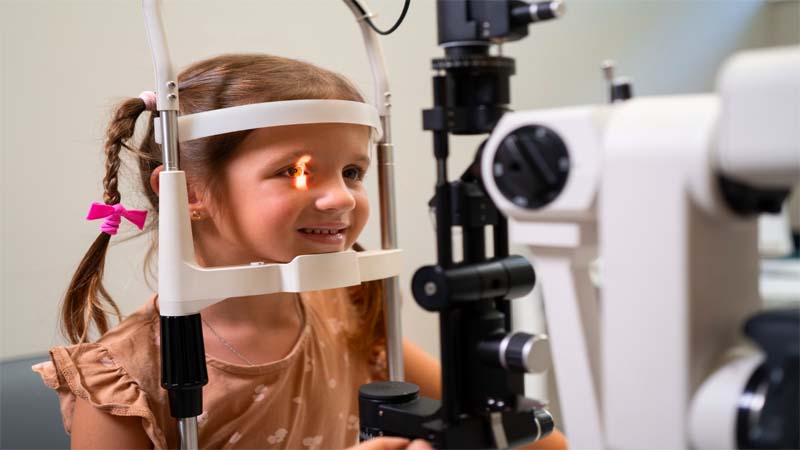
Many eye problems begin during early adulthood due to lifestyle, genetics, and screen exposure. Myopia, astigmatism, and dry eye disease are becoming more common among students and office workers. Contact lens users are at higher risk of infections if they neglect proper hygiene.
- Myopia worsening
- Astigmatism
- Dry eye disease
- Contact lens infections
- Retinal stress from screen use
How Screenings Detect These Issues.
- Retina exam
- Eye pressure test
- Visual acuity measurement
- Corneal evaluation
How Often Young Adults Should Get Screened.
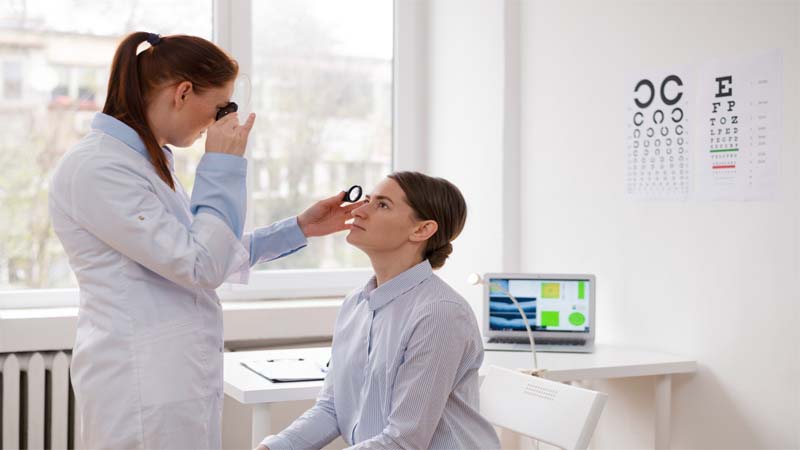
- Healthy adults: every 1–2 years
- Contact lens users: once a year
- Diabetics: every 6–12 months
- Family history of eye disease: every 6–12 months
What Happens During an Eye Screening?
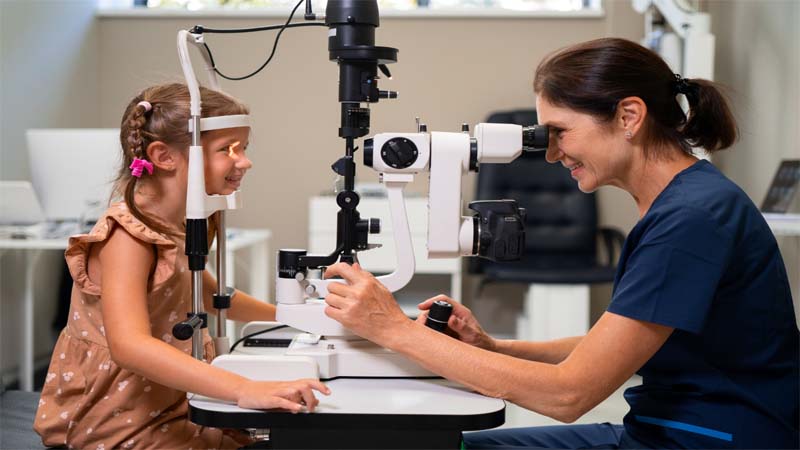
Numbered steps:
- Medical history check
- Vision chart test
- Refraction test
- Eye pressure test
- Slit-lamp exam
- Retina imaging
- Final diagnosis & advice
Benefits of Early Eye Screening.

- Prevents permanent vision loss
- Improves academic/work performance
- Reduces screen-related strain
- Keeps prescriptions updated
- Detects systemic diseases early
20-20-20 Rule for Eye Health
- Every 20 minutes
- Look 20 feet away
- For 20 seconds
Special Considerations for Students & Workers.

- Long online classes
- Office computer work
- Long driving hours
- Late-night phone use
Conclusion:
Why Young Adults Should Start Eye Screenings Early is clear — digital strain, silent diseases, and modern lifestyle habits make regular screenings essential. Early detection protects vision, reduces long-term complications, and keeps eyes healthy throughout adulthood.