Introduction:
Screens cause the highest eye strain when they are used for long hours without breaks, especially under poor lighting and improper viewing habits. With smartphones, laptops, and tablets becoming part of daily life, understanding when eye strain occurs the most is essential for protecting long-term eye health.
What Is Digital Eye Strain?
Digital eye strain, also known as computer vision syndrome, refers to a group of eye and vision problems caused by prolonged use of digital screens. It affects people of all ages, especially students, office workers, and frequent mobile phone users.
According to the Cleveland Clinic, prolonged screen use is a major cause of computer vision syndrome.
Common symptoms include:
- Dry or irritated eyes
- Headaches
- Blurred vision
- Burning sensation
- Neck and shoulder pain
These symptoms worsen depending on when and how screens are used.
When Do Screens Cause the Highest Eye Strain?
Screens cause the highest eye strain during specific situations where the eyes are forced to work harder than normal. Below are the most critical times and conditions.
1.Late Night Screen Use:
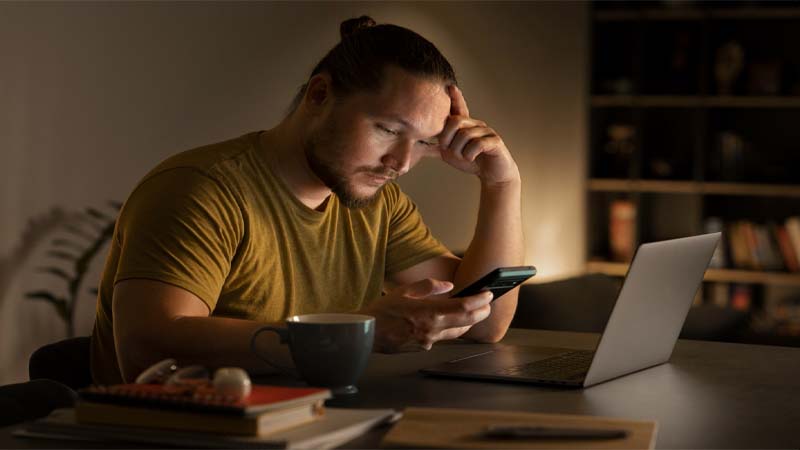
Using screens late at night is one of the biggest triggers of eye strain.
Why it’s harmful:
- Reduced blinking causes dry eyes
- Blue light suppresses melatonin
- Eyes are already fatigued
Highest risk time: Between 10 PM and 2 AM
2.Long Screen Time Without Breaks
Staring at a screen continuously for hours significantly increases eye strain.
Eye specialists also explain that extended screen time without breaks significantly increases digital eye strain, as noted by National Capital Eye Care.
Risk factors:
- No blinking awareness
- Continuous focusing stress
- Tear film evaporation
👉 Screens cause the highest eye strain after 2–3 hours of uninterrupted use.
3.Poor Lighting Conditions
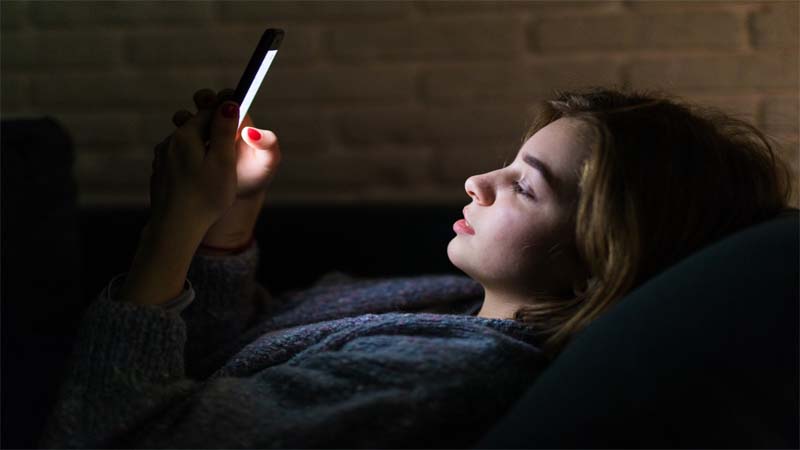
Eye strain increases when screen brightness does not match room lighting.
Examples:
- Bright screen in a dark room
- Dim screen in a bright room
This forces the eyes to constantly adjust, leading to fatigue.
4.Close Viewing Distance
Holding phones too close puts extra pressure on eye muscles.
Recommended distances:
- Mobile phone: 40–45 cm
- Laptop/Desktop: 50–70 cm
Closer than this = higher strain.
5.Small Text and High Screen Brightness
Small fonts force eyes to squint and over-focus.
Common causes:
- Reading long articles on phones
- High brightness levels
- Low contrast text
This is why screens cause the highest eye strain during reading-heavy tasks.
Who Is Most Affected by Eye Strain?
Certain groups are more vulnerable:
- Office workers
- Students
- Gamers
- Graphic designers
- Social media users
If you use screens 6+ hours daily, your risk is significantly higher.
How Blue Light Increases Eye Strain
Blue light emitted from screens penetrates deep into the eye and increases visual stress.
Effects include:
- Increased eye fatigue
- Disrupted sleep cycle
- Headaches
This explains why screens cause the highest eye strain during night usage.
Warning Signs You Should Not Ignore.
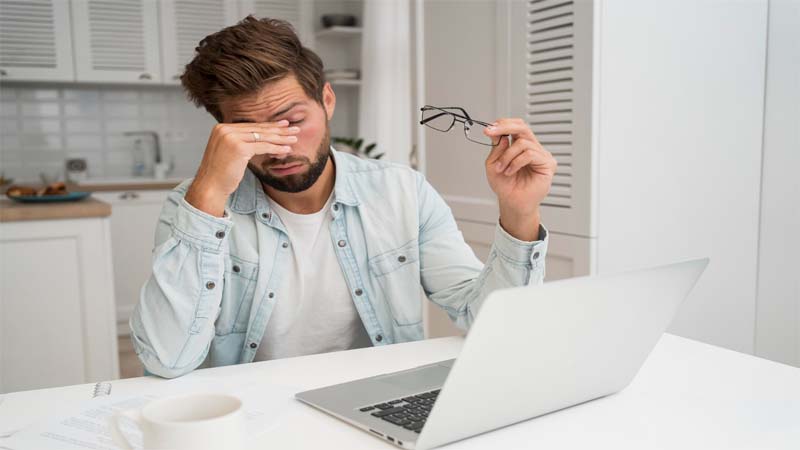
If you experience these regularly, your eyes are under stress:
- Frequent headaches
- Difficulty focusing
- Eye redness
- Sensitivity to light
Early action prevents long-term damage.
How to Reduce Eye Strain Effectively.
Follow the 20-20-20 Rule:
- Every 20 minutes
- Look 20 feet away
- For 20 seconds
Additional tips:
- Blink frequently
- Use anti-glare screens
- Adjust font size
- Use blue light filters
Importance of Regular Eye Checkups.
Many people ignore mild symptoms until vision problems develop.
Follow these tips to keep your eyes healthy.
Routine eye exams help detect:
- Dry eye syndrome
- Refractive errors
- Early vision damage
Final Thoughts:
Screens cause the highest eye strain during long, uninterrupted use, especially at night, in poor lighting, and at close distances. By adjusting screen habits and following preventive measures, you can protect your eyes and maintain healthy vision in a digital world.