Introduction:
Prevent myopia in kids has become a major concern for parents worldwide. Myopia, or nearsightedness, is increasing rapidly among children due to lifestyle changes and excessive screen use. When detected early, parents can take effective steps to slow its progression and protect their child’s long-term vision health.
What Is Myopia in Children?
Myopia is a common vision condition where a child can see nearby objects clearly but struggles to see distant objects, such as classroom boards or road signs. It usually begins during school-age years and may worsen as the child grows.
Early understanding helps parents prevent myopia in kids before it becomes severe.
Why Is Myopia Increasing Among Children?
The rise of digital devices, reduced outdoor activity, and increased academic pressure are key reasons behind the growing number of myopic children.
Bullet Points (Causes):
- Excessive screen time
- Less outdoor play
- Prolonged near work (reading, homework)
- Genetic factors
- Poor lighting conditions
Why Preventing Myopia Early Is Important.
If myopia progresses rapidly, it can increase the risk of serious eye problems later in life, including retinal detachment, glaucoma, and macular degeneration.
The American Optometric Association’s Children’s Vision page provides expert-approved recommendations on vision exams and children’s eye care. American Optometric Association
Bullet Points (Risks of high myopia):
- Permanent vision impairment
- Dependence on thick glasses
- Increased risk of eye diseases
- Reduced quality of life
This is why parents must focus on strategies to prevent myopia in kids early.
Encourage Outdoor Activities Daily.
Spending time outdoors is one of the most effective ways to prevent myopia in kids. Natural light helps regulate eye growth and reduces the risk of nearsightedness.

Bullet Points (Best practices):
- At least 2 hours of outdoor play daily
- Encourage sports and physical activities
- Reduce indoor screen-based entertainment
Studies show children who spend more time outdoors develop myopia at a slower rate.
Limit Screen Time and Digital Device Use.
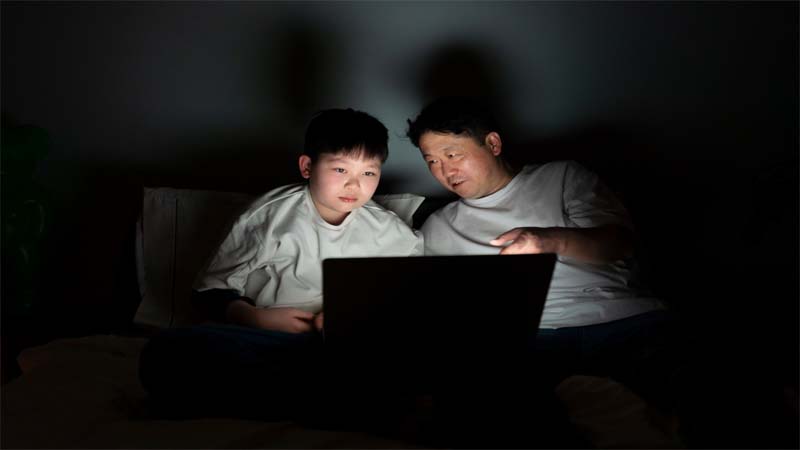
Excessive use of smartphones, tablets, and computers puts continuous strain on developing eyes.
Bullet Points (Screen control tips):
- Follow age-appropriate screen limits
- Avoid screens before bedtime
- Encourage breaks during long screen sessions
Reducing screen exposure plays a vital role in preventing myopia in kids.
Follow the 20-20-20 Rule.
The 20-20-20 rule helps relax eye muscles during near work.
Bullet Points (Rule explained);
- Every 20 minutes
- Look at something 20 feet away
- For at least 20 seconds
Parents should teach this habit early to protect children’s vision.
Maintain Proper Reading and Study Habits.
Incorrect reading posture and poor lighting can accelerate myopia progression.
Bullet Points (Healthy habits):
- Keep books at least 30–40 cm away
- Ensure proper lighting while reading
- Avoid reading while lying down
- Maintain upright sitting posture
Good study habits help parents prevent myopia in kids naturally.
Ensure a Balanced Eye-Healthy Diet.
Nutrition plays an important role in eye development and overall vision health.
Bullet Points (Eye-friendly nutrients):
- Vitamin A
- Vitamin C
- Omega-3 fatty acids
- Zinc
Foods like carrots, leafy greens, eggs, fish, and fruits support healthy eyes.
Schedule Regular Eye Checkups.
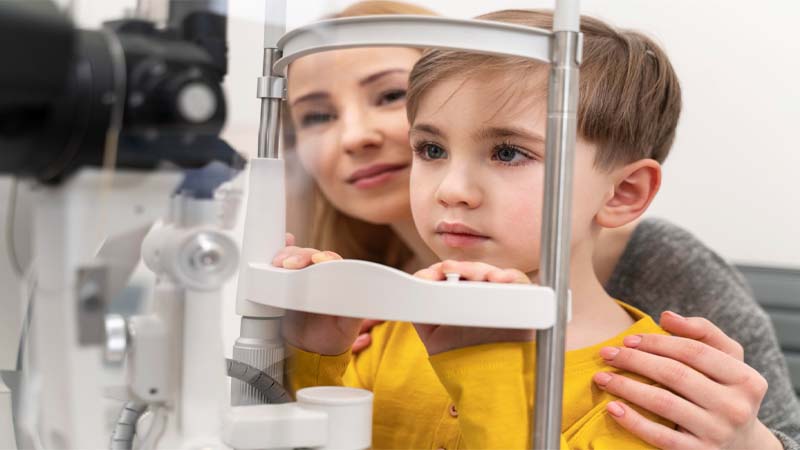
Routine eye exams help detect myopia early and monitor progression. Many children may not realize their vision is worsening.
The American Optometric Association’s Children’s Vision page provides expert-approved recommendations on vision exams and children’s eye care. American Optometric Association
Bullet Points (Recommended schedule):
- First eye exam before school
- Every 1–2 years afterward
More frequently if myopia is detected
Use Corrective Measures When Needed.
If a child is diagnosed with myopia, proper correction is essential.
Bullet Points (Options):
- Prescription glasses
- Contact lenses (for older children)
- Specialized myopia control lenses
Early correction can slow progression and improve learning performance.
Create a Myopia-Friendly Home Environment.
A supportive home environment helps reinforce healthy vision habits.
Bullet Points:
- Designate screen-free hours
- Encourage outdoor family activities
- Set a daily routine for homework and play
Consistent habits make it easier to prevent myopia in kids.
Signs Parents Should Not Ignore.
Parents should watch for early symptoms of myopia.
Bullet Points (Warning signs):
- Squinting frequently
- Sitting close to TV or screens
- Complaints of headaches
- Difficulty seeing distant objects
- Declining school performance
Early action can prevent rapid worsening.
Role of Parents in Preventing Myopia.
Parents play the most important role in shaping children’s visual habits. By modeling healthy screen use, encouraging outdoor play, and prioritizing eye checkups, parents can significantly reduce the risk of myopia progression.
Final Thoughts:
Preventing myopia in kids requires awareness, consistency, and early intervention. Simple lifestyle changes such as outdoor play, reduced screen time, healthy diet, and regular eye exams can make a significant difference. With the right approach, parents can protect their children’s eyesight and support lifelong visual health.