Why Does Cataract Develop and When Should Surgery Be Considered?
Introduction:
Cataracts are one of the leading causes of vision loss worldwide. Many people ask why does cataract develop and when should surgery be considered, especially as vision gradually becomes blurry with age. Understanding the causes, symptoms, and treatment timeline helps patients take timely action and protect their eyesight.
What Is a Cataract?
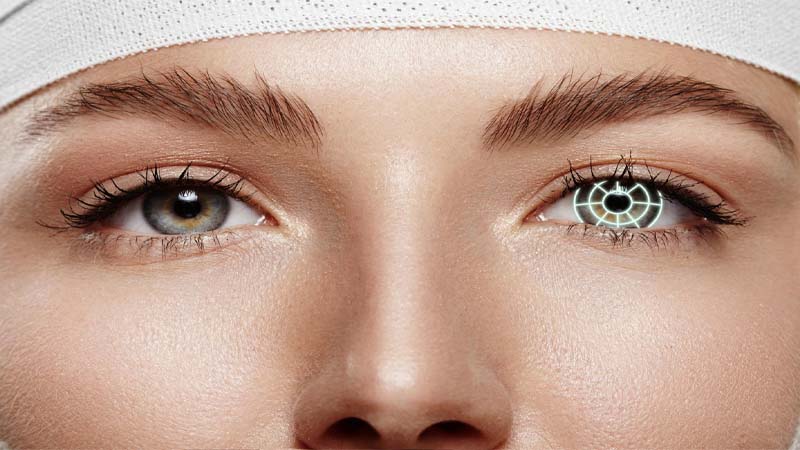
A cataract is a condition where the natural lens of the eye becomes cloudy, preventing light from passing through clearly. This clouding leads to blurred vision, glare, faded colors, and difficulty seeing at night. Cataracts usually develop slowly and may affect one or both eyes.
The eye’s lens is normally clear and flexible, helping focus light onto the retina. Over time, protein changes inside the lens cause it to clump together, forming cloudy areas known as cataracts. When these cloudy areas grow, vision becomes increasingly impaired.
Why Does Cataract Develop?

Cataracts develop due to a combination of aging, lifestyle factors, medical conditions, and environmental exposure. Below are the most common causes.
1.Aging (Primary Cause)
Aging is the most common reason cataracts develop. As we grow older, the proteins in the eye’s lens begin to break down and lose their clarity. Most age-related cataracts start appearing after the age of 40 and progress gradually over time.
2.Prolonged UV Exposure
Excessive exposure to ultraviolet (UV) rays from sunlight can damage lens proteins. People who spend long hours outdoors without sunglasses are at higher risk of developing cataracts earlier in life.
3.Diabetes and Medical Conditions
High blood sugar levels can cause changes in the eye lens, increasing the risk of cataracts. Other medical conditions such as hypertension and eye inflammation may also contribute.
4.Long-Term Medication Use
Extended use of corticosteroids and certain medications can increase the likelihood of cataract formation, especially when taken without medical supervision.
5.Smoking and Alcohol Consumption
Smoking introduces harmful chemicals that accelerate lens protein damage. Excessive alcohol intake may also increase oxidative stress, contributing to cataract development.
6.Eye Injury or Trauma
Past eye injuries, surgeries, or trauma can lead to secondary cataracts. These may develop months or even years after the injury.
Common Symptoms of Cataracts.

Cataract symptoms often begin subtly and worsen gradually. Common signs include:
- Blurred or cloudy vision
- Increased sensitivity to light and glare
- Difficulty seeing at night
- Faded or yellowed colors
- Double vision in one eye
- Frequent changes in eyeglass prescription
If these symptoms interfere with daily activities, it may be time to consult an eye specialist.
Types of Cataracts.
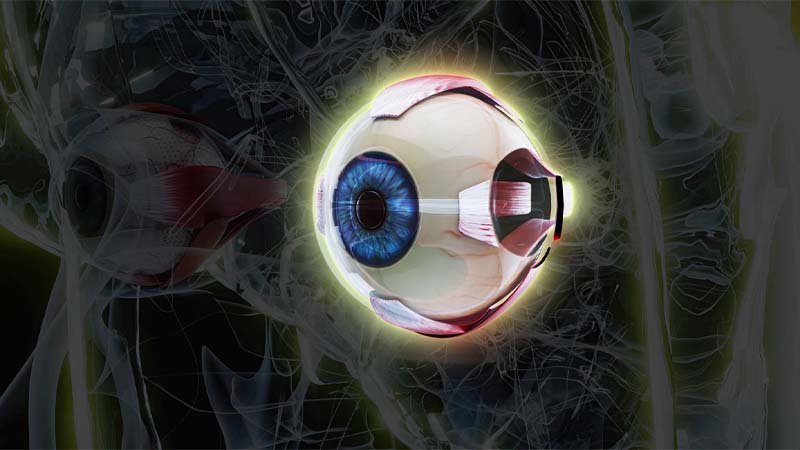
1.Nuclear Cataract
Forms in the center of the lens and is commonly associated with agin.
2.Cortical Cataract
Appears as white, wedge-shaped opacities around the edges of the lens.
3.Posterior Subcapsular Cataract
Develops at the back of the lens and progresses faster than other types.
4.Congenital Cataract
Present at birth or develops during childhood due to genetic factors or infections during pregnancy.
When Should Cataract Surgery Be Considered?
Cataract surgery is recommended when vision loss starts affecting daily life rather than based on cataract size alone.
1.Vision Interferes With Daily Activities
If cataracts make it difficult to read, drive, use digital screens, or recognize faces, surgery should be considered.
2.Poor Night Vision or Glare
Increased glare from headlights or sunlight can make driving unsafe, signaling the need for surgery.
3.Prescription Glasses No Longer Help
When frequent changes in glasses no longer improve vision, cataract surgery becomes the most effective option.
4.Other Eye Conditions Need Treatment
Cataracts may need removal to properly manage conditions such as diabetic retinopathy or glaucoma.
Is Cataract Surgery Safe?
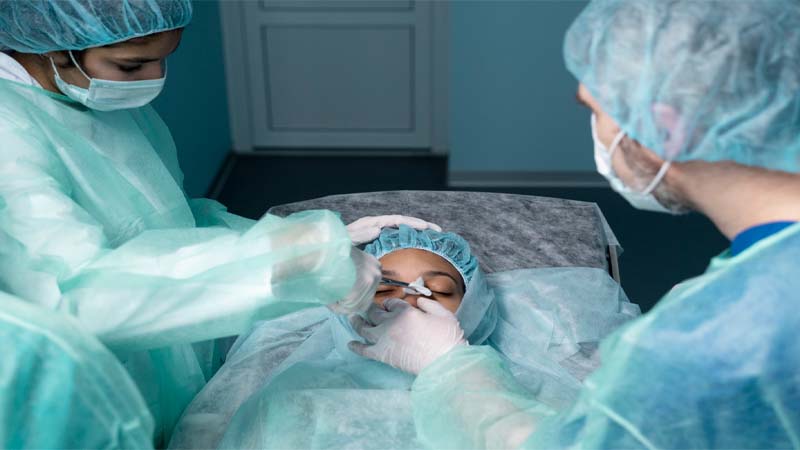
Cataract surgery is one of the safest and most commonly performed surgical procedures worldwide. It involves removing the cloudy lens and replacing it with an artificial intraocular lens (IOL). The procedure usually takes less than 30 minutes and is performed under local anesthesia.
Most patients experience improved vision within a few days, with minimal discomfort and a high success rate.
Can Cataracts Be Prevented?
Although cataracts cannot always be prevented, their progression can be slowed by following healthy habits:
- Wear UV-protective sunglasses
- Maintain good blood sugar control
- Avoid smoking and excessive alcohol
- Eat a balanced diet rich in antioxidants
- Schedule regular eye examinations
Final Thoughts.
Understanding why does cataract develop and when should surgery be considered helps patients make informed decisions about eye health. Cataracts are a natural part of aging for many people, but timely diagnosis and proper treatment can restore clear vision and improve quality of life.
If you experience persistent vision problems, consult an eye care professional to determine the best course of action.