Introduction:
As people age, maintaining good eye health becomes increasingly important. Seniors are more likely to experience various eye problems due to natural aging, chronic health conditions, and long-term exposure to environmental factors. Many age-related eye conditions develop slowly and may not show noticeable symptoms at first, which makes early awareness and regular eye checkups essential. Understanding the most common eye problems in seniors can help with early detection, timely treatment, and better quality of life.
Why Eye Problems Increase With Age.
As we grow older, the structures of the eye naturally change. The lens becomes less flexible, tear production decreases, and blood circulation to the eyes slows down. In addition, seniors are more likely to have health conditions such as diabetes, high blood pressure, and heart disease, which can directly affect vision. Long-term use of medications and cumulative exposure to sunlight also contribute to age-related eye problems.
Most Common Eye Problems in Seniors.
According to the National Eye Institute, common age-related eye conditions such as cataracts, glaucoma, and macular degeneration are leading causes of vision problems in seniors.
1.Cataracts.
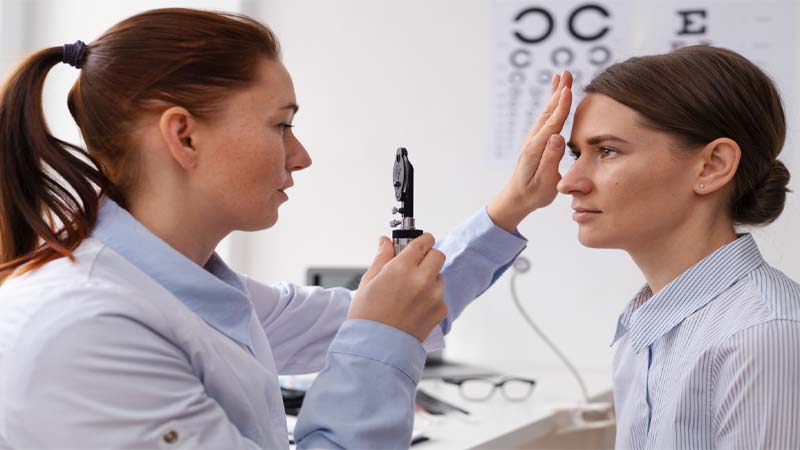
Cataracts are one of the most common eye problems in seniors. They occur when the clear lens of the eye becomes cloudy, leading to blurred or dim vision. Cataracts usually develop slowly and can affect one or both eyes.
Common symptoms:
- Blurry or cloudy vision
- Increased sensitivity to light
- Difficulty seeing at night
- Fading or yellowing of colors
- Frequent changes in eyeglass prescription
2. Age-Related Macular Degeneration (AMD).
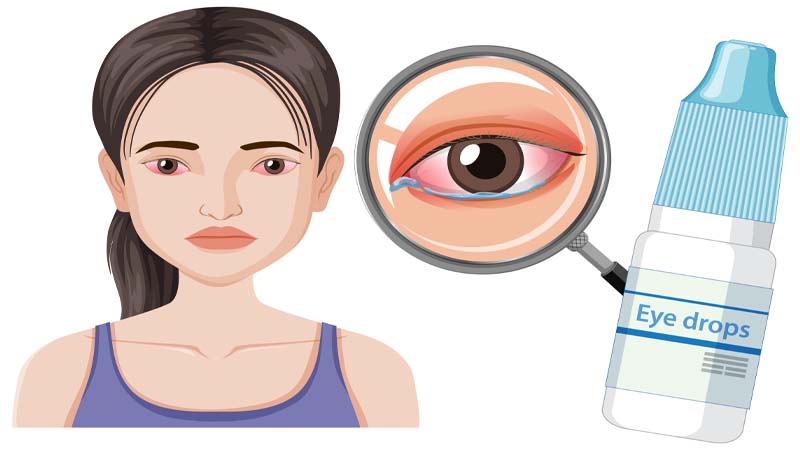
Age-related macular degeneration affects the macula, the central part of the retina responsible for sharp vision. AMD is a leading cause of vision loss among seniors, especially those over 60 years old.
Types of AMD:
- Dry AMD: Gradual thinning of the macula
- Wet AMD: Abnormal blood vessel growth causing rapid vision loss
Symptoms:
- Blurred central vision
- Difficulty recognizing faces
- Straight lines appearing wavy
3.Glaucoma:
Glaucoma is a serious eye condition caused by increased pressure inside the eye, which damages the optic nerve. It is often called the “silent thief of sight” because it usually has no early symptoms.

Risk factors:
- Advanced age
- Family history of glaucoma
- Diabetes or high blood pressure
- Long-term steroid use
Common signs:
- Loss of peripheral vision
- Tunnel vision
4.Dry Eye Syndrome
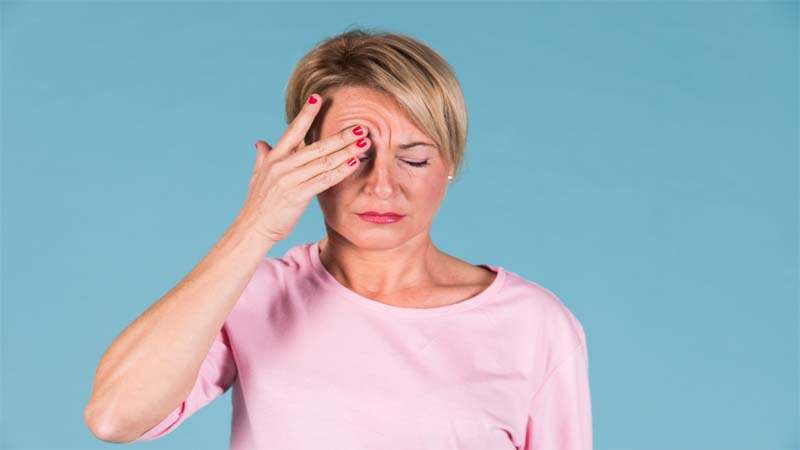
Dry eye syndrome occurs when the eyes do not produce enough tears or when tears evaporate too quickly. This condition is very common in seniors due to reduced tear production.
Symptoms:
- Burning or stinging sensation
- Redness
- Gritty feeling in the eyes
- Blurred vision that improves with blinking
5.Diabetic Retinopathy
Diabetic retinopathy is a complication of diabetes that affects the blood vessels in the retina. Seniors with long-term diabetes are at higher risk of developing this condition.
Stages:
- Mild non-proliferative retinopathy
- Moderate to severe non-proliferative retinopathy
- Proliferative diabetic retinopathy
Symptoms:
- Floaters
- Blurred vision
- Dark or empty areas in vision
6.Presbyopia
Presbyopia is an age-related condition that affects near vision. It usually begins after the age of 40 and continues to progress over time.
Common signs:
- Difficulty reading small print
- Need to hold reading materials farther away
- Eye strain or headaches
7.Retinal Detachment
Retinal detachment occurs when the retina separates from the back of the eye. This is a medical emergency and requires immediate treatment to prevent permanent vision loss.
Warning signs:
- Sudden flashes of light
- Increase in floaters
- Shadow or curtain over vision
How Seniors Can Protect Their Eye Health.
The Centers for Disease Control and Prevention (CDC) recommends regular eye exams and healthy lifestyle habits to reduce the risk of vision loss in older adults.
1.Regular Eye Examinations
Seniors should have comprehensive eye exams at least once a year. Regular checkups help detect eye problems early, even before symptoms appear.
2: Healthy Lifestyle Habits
- Eat a balanced diet rich in leafy greens and omega-3 fatty acids
- Control blood sugar and blood pressure
- Quit smoking
- Wear UV-protective sunglasses
3.Manage Chronic Conditions
Proper management of conditions like diabetes and hypertension can significantly reduce the risk of vision-threatening eye diseases.
When to See an Eye Doctor Immediately.
- Sudden vision loss
- Eye pain or pressure
- Flashes of light or sudden floaters
- Redness with blurred vision
Conclusion:
Eye problems are common among seniors, but early detection and proper care can help preserve vision and maintain independence. Understanding the most common eye problems in seniors allows individuals and caregivers to take proactive steps toward eye health. Regular eye exams, a healthy lifestyle, and prompt medical attention can make a significant difference in preventing vision loss and ensuring a better quality of life as we age.