Introduction:
Many people believe that wearing glasses makes eyesight worse over time. This common myth about wearing glasses and vision getting worse has caused confusion and fear for decades. In reality, glasses do not weaken your eyes—they help correct vision and reduce strain. Understanding the truth can protect your eye health and prevent unnecessary damage.
What Is the Common Myth About Wearing Glasses?
The most common myth about wearing glasses and vision getting worse is the belief that once you start wearing glasses, your eyes will become dependent on them and gradually weaken. Many people think glasses make the eyes “lazy,” causing vision to deteriorate faster.
This myth often discourages people from wearing prescribed glasses, especially children and young adults. Unfortunately, avoiding glasses can actually lead to headaches, eye strain, and poor visual performance.
Why Do People Believe Glasses Make Vision Worse?
1: Natural Vision Changes Over Time
Vision naturally changes with age. Conditions like myopia (nearsightedness), hyperopia (farsightedness), and presbyopia progress over time regardless of glasses. People mistakenly blame glasses for these natural changes.
2: Temporary Blur Without Glasses
After wearing glasses regularly, removing them may make vision feel worse. This happens because your eyes were previously straining to see clearly. Glasses reveal how blurry vision actually was before correction.
3: Outdated Cultural Beliefs
Older generations often passed down misinformation about eye health. Before modern optometry, people lacked scientific understanding, which helped myths spread easily.
Do Glasses Actually Weaken Your Eyes?
According to Mayo Clinic, wearing glasses does not weaken your eyes or make vision worse over time.
No, glasses do not weaken your eyes. This is a scientific fact supported by optometrists worldwide.
Glasses work by bending light so it focuses correctly on the retina. They do not change the physical structure of the eye or make vision worse. Instead, they:
- Reduce eye strain
- Improve clarity
- Help maintain comfortable vision
- Prevent headaches and fatigue
Not wearing glasses when needed can actually worsen symptoms and reduce quality of life.
What Happens If You Don’t Wear Prescribed Glasses?
Avoiding glasses due to the common myth about wearing glasses and vision getting worse can cause real problems.
Effects of Not Wearing Glasses:
- Chronic headaches
- Eye strain and fatigue
- Poor concentration
- Difficulty driving or reading
- Reduced productivity
- Increased risk of accidents
In children, untreated vision problems can affect learning and development.
Can Glasses Stop Vision From Getting Worse?
Glasses cannot stop natural vision changes, but they do not cause vision to worsen either.
Vision progression depends on:
- Genetics
- Age
- Screen time
- Lifestyle habits
- Eye health conditions
Some special lenses (like myopia control lenses) may slow progression in children, but standard glasses simply correct vision not harm it.
The Difference Between Eye Dependency and Comfort
People often confuse dependency with comfort.
When you wear glasses:
- Your eyes relax
- Your brain receives clearer images
- Visual comfort improves
This comfort makes blurry vision more noticeable without glasses, but it does not mean your eyes are weaker.
What Do Eye Care Professionals Say?
Eye doctors strongly disagree with the myth that glasses worsen vision. According to optometrists:
- Glasses are corrective tools, not harmful devices
- Wearing correct prescriptions protects eye comfort
- Skipping glasses can increase eye strain
Regular eye exams ensure your prescription stays accurate and your eyes remain healthy.
Can Wearing the Wrong Glasses Cause Problems?
Yes—but this is different from the myth.
Wearing incorrect prescriptions may cause:
- Dizziness
- Headaches
- Blurred vision
- Eye discomfort
That’s why professional eye exams are essential. Correct glasses improve vision; incorrect ones cause temporary discomfort but still do not permanently damage eyesight.
Children and Glasses – A Common Concern
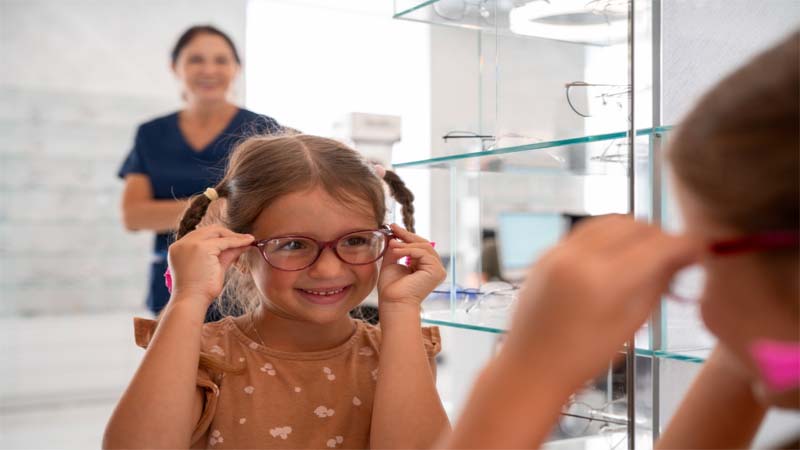
Parents often worry that glasses will worsen their child’s eyesight. This fear is rooted in the same common myth about wearing glasses and vision getting worse.
- Glasses help children see clearly
- They support proper visual development
- They reduce learning difficulties
Avoiding glasses can cause more harm than good during developmental years.
Screen Time and Vision Changes
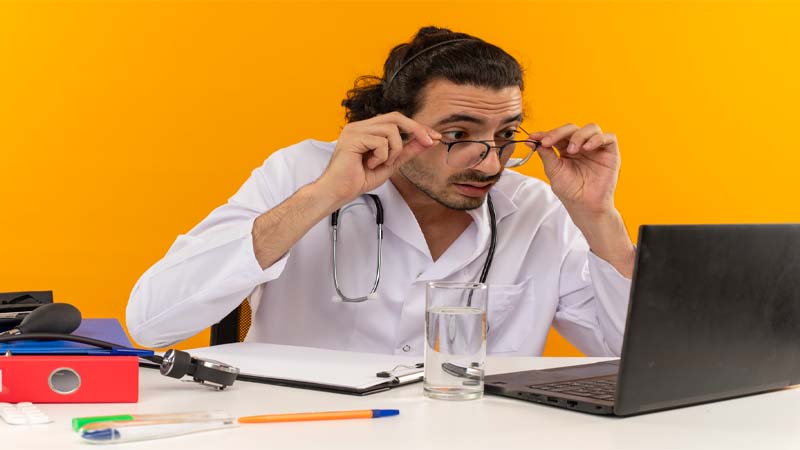
Many people blame glasses when vision worsens, but excessive screen use is often the real cause.
Digital eye strain can lead to:
- Dry eyes
- Blurry vision
- Headaches
- Temporary focus problems
Proper screen habits, breaks, and correct glasses help reduce these effects.
How to Protect Your Vision Properly.
Instead of fearing glasses, focus on healthy eye habits:
- Get regular eye exams
- Wear prescribed glasses consistently
- Follow the 20-20-20 rule
- Limit excessive screen time
- Maintain a balanced diet
- Stay hydrated
- Get enough sleep
These steps support long-term eye health.
Final Verdict – Is the Myth True or False?
The common myth about wearing glasses and vision getting worse is completely false.
Glasses:
- Do not weaken eyesight
- Do not cause dependency
- Do not accelerate vision loss
They are essential tools for clear, comfortable, and safe vision.
Conclusion:
Believing the myth about glasses can harm your eye health more than wearing them ever could. Vision changes happen naturally, and glasses simply help you see clearly through those changes. Trust science, follow professional advice, and wear your glasses without fear.
Clear vision leads to a better quality of life—and glasses are part of that solution.