Introduction:
Poor sleep vision clarity directly impacts your eyes, causing strain, dryness, and blurred vision. When we sleep well, our eyes get time to rest, rehydrate, and recover from daily stress caused by screens, reading, or exposure to light. Without sufficient sleep, this vital recovery doesn’t happen, leading to discomfort and reduced vision clarity. In this article, we explore how poor sleep affects eye health, symptoms to watch for, and practical tips to protect your eyesight.
Learn Essential Tips for Maintaining Healthy Eyes
Why Poor Sleep Vision Clarity Matters for Eye Health.
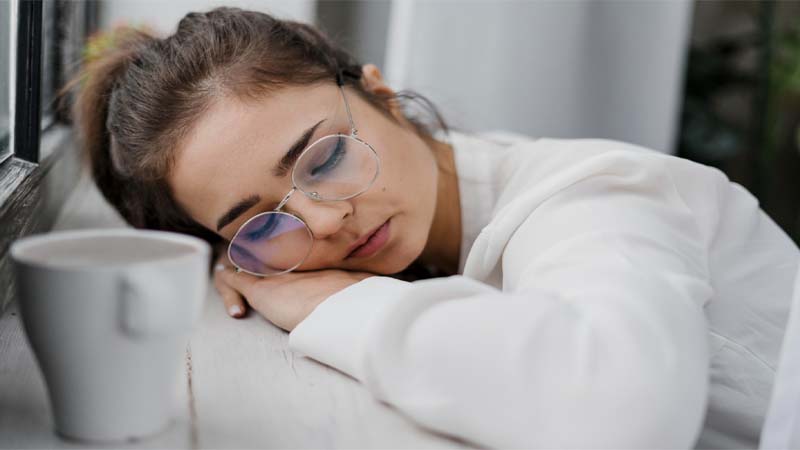
Tear Film Restoration: During sleep, the tear film that thin layer of moisture keeping our eyes lubricated gets replenished. Without proper sleep, tear production can drop, leading to dryness and irritation.
Muscle & Nerve Recovery: Eye muscles and the optic nerve need rest. Continuous wakefulness or poor sleep prevents them from resetting properly, leading to fatigue and strain.
Counteracting Daily Stressors: Throughout the day, our eyes face light, screen glare, pollution, and general stress. Sleep helps rebalance and heal those daily stresses.
Short-Term Effects of Poor Sleep on Vision.
1.Blurry or Unfocused Vision.
explains tear film disruption and eye-health impact due to poor sleep.
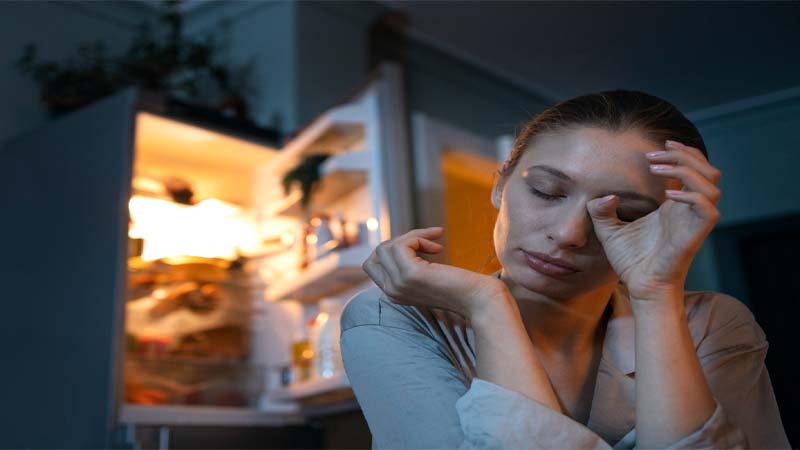
Blurry or less-sharp eyesight is one of the most obvious effects of sleep deprivation. Fatigued eye muscles make it difficult to focus, which makes daily chores like reading or watching displays more difficult. Many people report that this blurriness is transient and goes away after resting or getting more sleep.
2.Dry, Red or Irritated Eyes.
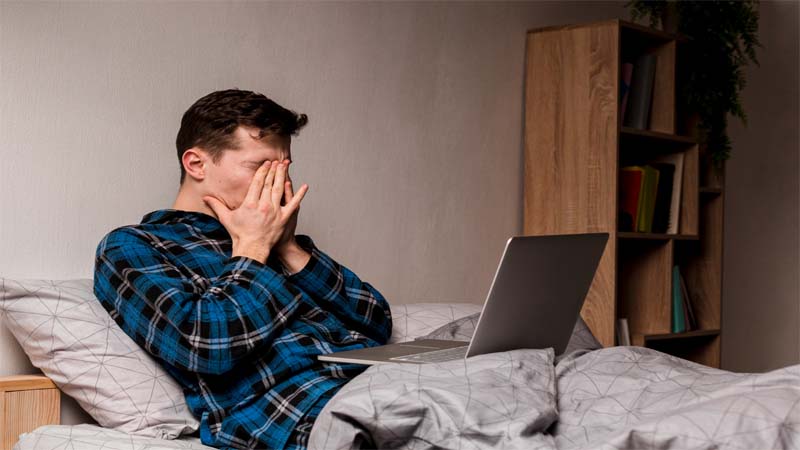
Dryness is frequently caused by sleep deprivation, which interferes with the generation of tears and the integrity of the tear film. This may cause pain, redness, itching, or a gritty feeling, all of which impair vision and make it difficult to focus.
3.Eye Strain & Fatigue:
Eyes require rest after use, just like any other muscle. Those muscles continue to be strained when people do not get enough sleep, particularly those who spend a lot of time in front of screens (phones, computers, TVs). Headaches, eye strain, and trouble focusing might result from this.
4.Increased Light Sensitivity:
Light sensitivity increases with fatigue and poor lubrication. You may feel irritated by bright lights, screen glare, or intense daylight, which makes you squint or rub your eyes, further impairing clarity.
5.Eye Twitching (Eyelid Spasms)
Myokymia, or involuntary twitching of the eyelids, is a symptom of sleep deprivation. These spasms indicate eye fatigue and can be bothersome or distracting, even though they are usually harmless.
Long-Term Risks of Chronic Poor Sleep.
If lack of good sleep becomes a habit, the consequences for eye health may go beyond temporary discomfort:
- Persistent dry-eye syndrome — repeated dryness, irritation, and inflammation.
- Potential worsening of refraction issues (like fluctuating vision clarity, temporary near-sightedness when tired).
- Higher susceptibility to eye surface disorders.
- For individuals with pre-existing eye conditions (e.g. glaucoma, dry-eye disease), symptoms may worsen or become harder to manage.
How to Improve Sleep for Better Vision.
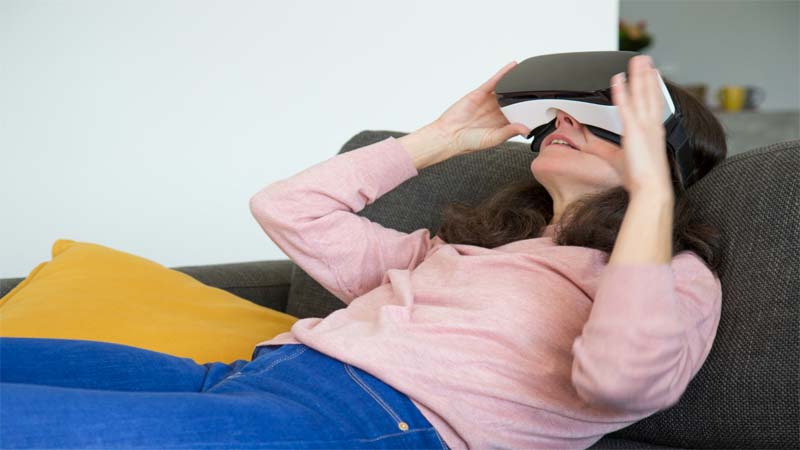
1.Stick to a Consistent Sleep Schedule:
Aim for 7–8 hours of quality sleep every night. Keeping a consistent bedtime and wake-up time helps eyes recover fully.
2.Reduce Screen Time Before Bed:
Avoid using phones, laptops or tablets at least 1–2 hours before sleep. The blue light and screen glare overstimulate eyes and disturb sleep cycles harming both sleep quality and eye health.
3.Keep Hydrated and Support Tear Health:
Drink enough water during the day. If you often wake up with dry or irritated eyes, consider preservative-free lubricating eye drops (but only if recommended by an eye professional).
4.Create a Sleep-Friendly Environment:
Ensure your bedroom is dark, cool, and quiet. Use blackout curtains or shades if needed. A calm sleep environment helps improve sleep quality which benefits your eyes too.
5,Take Regular Breaks from Screens (20-20-20 Rule):
If you use screens for long hours, apply the 20-20-20 rule: every 20 minutes, look at something 20 feet away for at least 20 seconds. This reduces eye strain and helps your eyes relax.
6.Consult an Eye Specialist if Problems Persist:
If you regularly experience blurry vision, chronic dryness, irritation, or discomfort especially after what should be a good sleep see an ophthalmologist. Chronic sleep deprivation can worsen existing eye conditions or trigger new ones.
Conclusion:
Getting enough sleep is essential for maintaining healthy eyes and sharp vision, not only for feeling rejuvenated when you wake up. Getting enough sleep allows your eyes to recuperate from daily stress, preventing everything from dryness and inflammation to blurred vision. You can maintain the clarity of your vision and the comfort of your eyes by maintaining good sleep habits, limiting screen time before bed, and taking care of your eyes’ hydration.