Introduction:
Dry eyes have become one of the most common eye-related complaints worldwide. The causes and treatment of dry eyes are essential to understand because millions of people experience irritation, burning, blurred vision, and discomfort every day. Whether the condition comes from excessive screen use, aging, environmental factors, or medical conditions, dry eyes can significantly affect daily life.
In this article, we explore the most common causes of dry eyes and the best treatment options to keep your eyes healthy and comfortable.
What Causes Dry Eyes?
Mayo Clinic – Dry eyes: Symptoms & causes
Dry eyes occur when your tear film fails to provide adequate lubrication. The tear film has three layers oil, water, and mucin. When any of these layers malfunction, dryness develops.

Below are the most common scientific and medical causes:
1. Long Screen Time (Digital Eye Strain)
Spending long hours on computers and smartphones reduces blinking by nearly 60%. Less blinking means your tears evaporate faster, causing dryness, irritation, and blurred vision.
2. Aging and Hormonal Changes.
After age 40, tear production naturally decreases.
Women often experience dry eyes during pregnancy, menopause, or while using birth control pills.
3. Environmental Factors.
- Dry air
- Dust
- Wind
- Air conditioners
- Smoke
- These conditions damage the tear film and worsen dryness.
4.Contact Lens Use.
Contact lenses absorb moisture from the eyes, leading to irritation and dryness, especially after long use:
5. Medication Side Effects.
Certain medications cause dry eyes as a side effect:
- Antidepressants
- Antihistamines
- Sleeping pills
- High blood pressure medicines
6. Eye Conditions and Surgeries.
Conditions such as blepharitis, meibomian gland dysfunction, or LASIK surgery can disrupt tear production.
7.Autoimmune Diseases
Chronic diseases such as:
- Rheumatoid arthritis
- Sjögren’s syndrome
- Diabetes
- can all damage tear glands and cause severe dry eyes.
Common Symptoms of Dry Eyes.

Typical symptoms include:
- Burning sensation
- Itching
- Redness
- Light sensitivity
- Sticky or stringy discharge
- Tired eyes
- Blurred vision
How Are Dry Eyes Diagnosed?
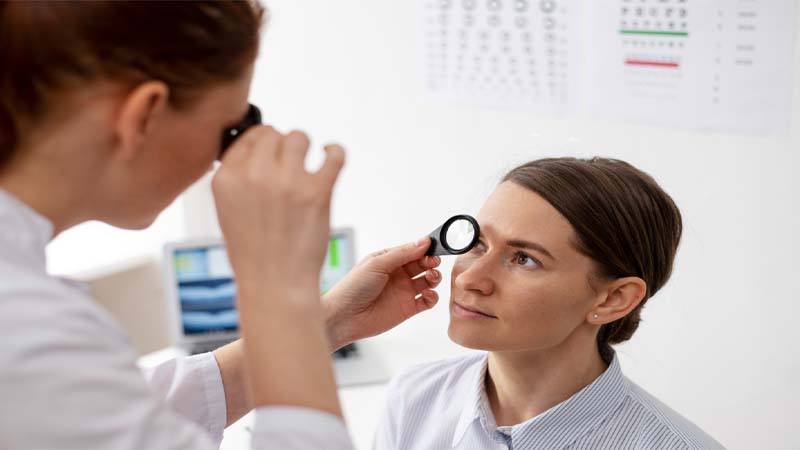
Eye specialists use several tests to diagnose dry eyes properly, such as:
- Tear Breakup Time (TBUT)
- Schirmer Test
- Meibomian Gland Evaluation
Effective Treatments for Dry Eyes.
Healthline – Dry Eyes: Causes, Treatment, and Prevention
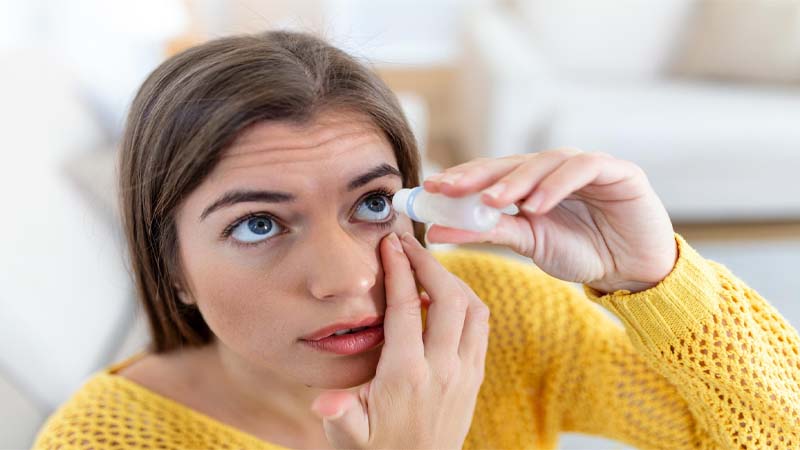
1. Artificial Tears (Eye Drops)
Preservative-free eye drops are the best option for regular use.
Use 3–4 times a day or as recommended.
2. Warm Compress
Applying a warm cloth on the eyes for 5–10 minutes helps open blocked oil glands and improves tear quality.
3. The 20-20-20 Rule for Screen Users
Every 20 minutes, look 20 feet away for 20 seconds.
This reduces digital eye strain and prevents dryness.
4. Omega-3 Fatty Acids
Foods and supplements rich in Omega-3 help improve tear quality and reduce inflammation.
(Always consult a doctor before taking supplements.)
5. Humidifier Use
A humidifier helps maintain moisture in the air, preventing tears from evaporating.
6. Prescribed Medicines
Doctors may prescribe:
- Cyclosporine (Restasis)
- Lifitegrast (Xiidra)
- Mild steroid drops
These improve tear gland activity.
7. Punctal Plugs
A tiny plug is inserted into the tear duct to prevent tears from draining too quickly.
Very effective for chronic dry eyes.
8. Lifestyle Changes
- Drink enough water
- Get proper sleep
- Avoid smoke and dust
- Reduce AC exposure
- Wear sunglasses outdoors
Preventive Tips for Dry Eyes.
- Adjust screen brightness
- Blink consciously
- Take frequent breaks
- Avoid rubbing your eyes
- Follow proper contact lens hygiene
When Should You See a Doctor?

Seek medical help if you experience:
- Persistent dryness
- Severe burning
- Vision difficulty
- Light sensitivity
- Red eye that does not improve
Conclusion:
Dry eyes are uncomfortable but manageable. By understanding the causes and treatment of dry eyes, you can take the right steps to protect your vision. With proper lifestyle changes, eye drops, and medical care, the symptoms can significantly improve.